
New York in the 1980s was a city gripped by one of the worst crime epidemics in its history. But then suddenly the crime rate tipped from a high in 1990 and plummeted. Murders dropped 60%. Felonies were cut in half. Other cities also saw a drop in crime but not as fast or as low. By the end of the 1990s there were 75% less felonies on New York’s subways than at the beginning of the decade.
What caused this drop? The usual answers of less cocaine users hence less criminals, or an ageing population so a smaller age group which normally committed crimes, or better economic prospects and jobs, or harsher policing didn’t fit. In any case, those would have brought a gradual and noticeable drop.
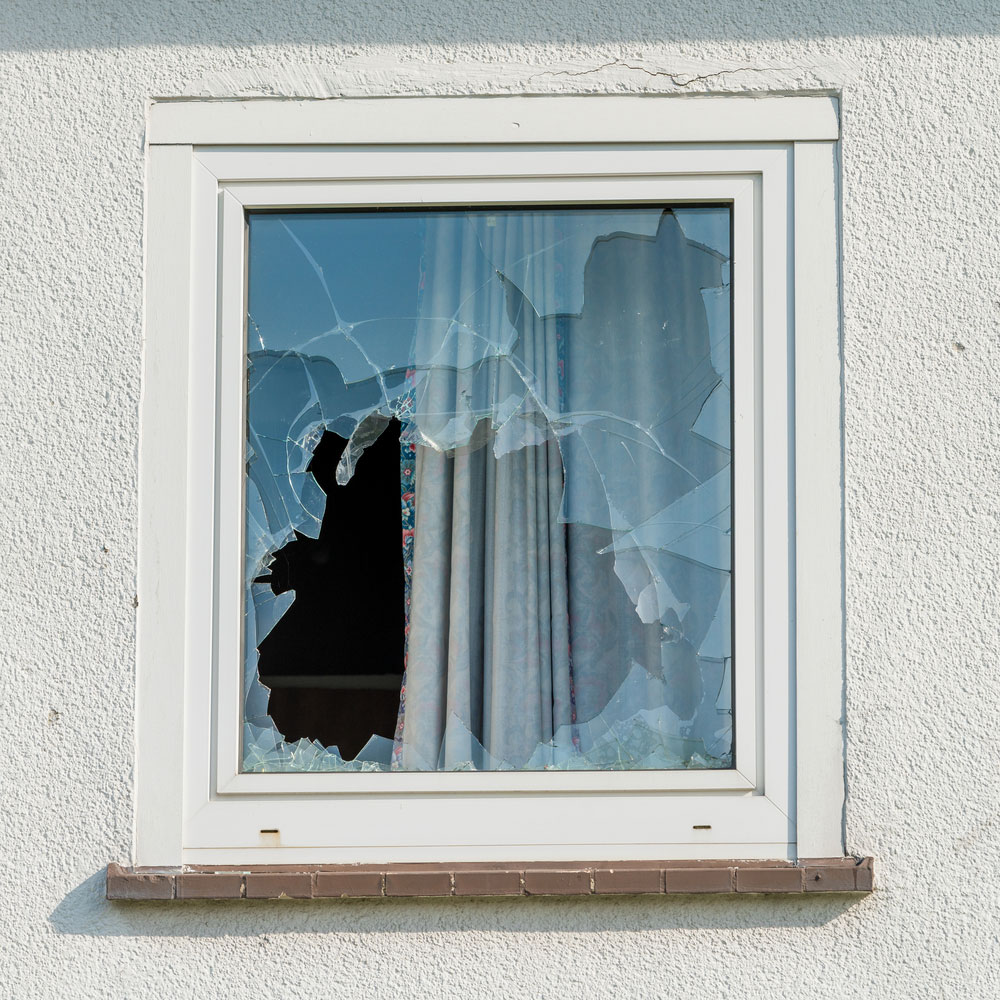
The answer is found in the Broken Window Theory. This says that visible signs of disorder and neglect like broken windows, graffiti, and litter create an environment that encourages further crime and anti-social behaviour. The theory says that addressing small, petty offences prevents more severe, violent crime by maintaining lawfulness.
The New York subways in the 1980s were chaotic. Dimly lit platforms, dark, damp graffiti covered walls. Trains were late due to regular derailment or fire. Thrash was everywhere. In 1984 all of the 6,000 train cars were covered in graffiti inside, outside, top to bottom. They were cold in winter because they weren’t heated and hot in summer because there was no air conditioning. People were getting out of paying fares which led to $150 million in lost revenue annually. 15.000 felonies were committed on the system a year, reaching 20,000 by 1990. Harassment and petty criminals abounded, attracted to the place as easy pickings.
But for some reason tens of thousands of people suddenly stopped committing crimes. The reason was the power of context and environment. When people see a window unrepaired for some time, or dirt laying around not being picked up, it leads them to believe that no one cares, and no one is in charge. More windows get broken. In a city, graffiti and other minor problems are like the broken window. It encourages muggers and petty robbers who believe that there’s less chance of being caught.
A classic case is that of a big, functioning post office building in one of the suburbs of Port Elizabeth. The building is directly across from a police station. A few tiles started going, windows and window frames went, doors followed and then the bricks. A whole building was gone in front of the public’s eyes.
What did New York subway’s authorities do? The new director David Gunn oversaw a multibillion dollar rebuilding of the system. People told him not to focus on the graffiti or other petty issues, but rather on the larger questions of crime and reliability. Gunn concentrated on cleaning the train cars and not allowing any car with graffiti to ride in public. The kids who sprayed the graffiti would take three nights to complete their work. They started getting frustrated that their work was not seen in public anymore.
The transit police head started cracking down on those not paying. Fare beaters would be handcuffed in a line in public until they had enough to take to the police station and charge. The turnaround time to charge them was cut down to an hour. The effect of public humiliation and punishment stopped the cheating on fares. This policy was applied to the city next: cops cracked down on minor misdemeanours like public drunkenness, public urination, throwing dirt on the street. Crime began to fall dramatically in the city as quickly as it had in the subways.
Make the small changes
This is a lesson we can apply to our context. Environment plays a big role in making a change in society. That is why the work of Tabligh has such a high success rate in reforming people. They are put in a wholesome environment for days on end. What makes that environment are the small things: staying in a Masjid, learning the basics of Islam, and implementing basics etiquettes.
We are living in a society and country that is gradually facing the threat of becoming dysfunctional. Potholes are not fixed, streetlights are an issue, the water supply is erratic, and corruption pervades all departments of governance.
We can become a force for good by working on the small things. Don’t leave litter lying around in our residential suburbs even if its not ours for example. With municipal elections coming up in South Africa in 2026 we need to support people who have shown that they can make the changes within our wards. Support councillors who can put their feet on the ground and fix the small things. This will have a ripple effect on the broader society. Organize neighbourhood clean-ups and this will be part of a strategy to weed out crime in these areas. Our Masjids and Madressas need the services provided by local government to function optimally: lights, good road infrastructure, sewerage, water and security. We need to be proactive in electing people who can make a difference in these departments on a local level.
We need to also be a catalyst for small changes in our home and work environments as well. The issue of exploitation in the workforce is a serious one. Every Muslim employer needs to ensure he is paying fair wages and that workers are not being exploited. This will have a ripple effect on the country’s economy for the good.
Win hearts
This brings us to the second point. Doing good to others has tremendous benefits for us a society. If the tables turn, which could be a possible scenario with the unrest being fermented against foreigners, we will have people who will stand by us and have our backs. We have won their loyalty by being good to them. In 755 the Umayyad dynasty fell to the Abbasids in Damascus in a bloody coup. The last Umayyad prince Abdur Rahmaan ibn Muaawiya manages to flee assassination and makes his way to Muslim Spain. The people there welcome him with open arms and support him in setting up a government. The reason for this was that they had only known peace and prosperity under the last 40 years of Umayyad rule and repaid that goodness with support.
We need to always be a source of goodness for people so if the tables happen to turn, we will find people willing to stand by our sides. We need to be contributing in positive ways to our communities. The people we interact with on a regular basis should know us as good people. Have a positive relationship with our workers and maid by being a profound part of their lives beyond the work environment. Share in their personal moments of joy and empathise with their tragedies. Contribute towards these moments over and above the wages that we are paying. Be a support for them in a meaningful way when they are going through difficult times. This will win people’s hearts.
Stand for justice
The third point we need to concentrate on in trying to deal with the fallout of the anti-foreigner unrest is to stand for justice irrespective of religion or ethnicity. How did the Muslims enter Spain and rule there for 781 years? The Christian governor of Ceuta appealed to the Muslim rulers in North Africa for help against the tyrannical Visigoth rule of Roderick who ruthlessly persecuted the Jewish and Christian Vandal populations. Muslim forces under Tariq ibn Ziyad set out across the Mediterranean to confront the Visigoths and win a famous victory establishing Muslim rule in Spain.
With the simmering tensions and moves against foreigners, we need to let our humanity and sense of justice guide us. The undocumented foreigners in our country are fellow human beings, not some hateful monsters. Undocumented does not mean unwilling to be legally documented. It’s often a failure of the system in controlling the borders and in carrying out the processes for documentation. The majority are peace-loving human beings who are searching for a better life for themselves and their families and have largely integrated as peaceful members of South African society. If it were not for the Muslims among them, many of our Masjids would be far emptier. They serve as Imams, Muazzins and Madressa teachers loyally, some for many decades.
We should not be intimidated by what is essentially a non-government sanctioned vigilante movement that has issued threats and promotes xenophobia. Take a leaf from the USA where ICE (U.S. Immigration and Customs Enforcement) cracked down on undocumented migrants, depriving them of basic human rights in the process and breaking families apart. American Ulama and local Muslims stood with the migrants against the oppressive crackdown. We need to also stand for justice with the undocumented foreigners in our country more so where they have integrated as peaceful residents.
The local unrest has in some places turned against local Xhosa and Zulu Muslims who wear Islamic clothing. They have been in some instances discriminated against for following what some elements are calling a foreign religion.
We do understand the need to have the rule of law when it comes to immigration, and the first port of call would the immigration authorities who have not done their job properly. Administration of the immigration policy needs to be cleaned up but by the state in a transparent and humane way, not by self-appointed individuals or vigilante groups. Questions need to be asked about where the support for the recent unrest has been coming from. Anti-immigration movements around the world have been exploited by sinister, racist, extremist elements to sow division and destabilize societies. Discussion needs to take place on eradicating corruption and to ensure that visas and immigration applications are processed professionally and transparently by Home Affairs.
We need to openly condemn xenophobia, vigilantism and unlawful violence. Try to make small changes for good within our societies for long-term impact. Do not exploit anyone. Treat everyone as an honoured human being. Don’t feel intimidated into following like sheep and jumping on the bandwagon of anti-foreigner sentiment when it comes to standing with undocumented immigrants and ensuring safety, justice and human rights for them.
The recent case of 8-year-old Khizr Derbichev from Ingushetia, a Muslim land occupied by Russia along with Chechnya, Dagestan and other countries. He was playing with his friends near the Sunja River when one of his friends Aadam slipped and fell into the fast-flowing river. Khizr immediately went into the cold water to save his friend. He succeeded in saving him but in the process was washed away. Thousands of Muslim volunteers from across the North Caucasus came to help in the search for him. After eight days they found his body and thousands attended the Janaza of this young hero. Never underestimate the impact we can have by making small contributions. He carried out a heroic act and as a result mobilized a nation. The small things we do can have a big impact.




COMMENTS